Blinkit Ads vs Instamart Ads: Your First 30-Day Strategy
Whether you’re launching on Blinkit or Instamart, the first 30 days determine whether you build a stable growth engine or enter a cycle of inconsistent performance.

Whether you’re launching on Blinkit or Instamart, the first 30 days determine whether you build a stable growth engine or enter a cycle of inconsistent performance.
The best FAQ sections answer real questions, not the ones you wish people asked. Here’s how to find them.

Product Availability Monitoring: Why Out of Stock Is Not One Problem, It Is Four In digital commerce, growth rarely falls off a cliff. It leaks. Slowly, quietly, in ways that are really easy to miss. You see a small dip in conversions. Organic rankings slip a little. Your media spend starts feeling less efficient than …
Product Availability Monitoring: Why Out-of-Stock Is Not One Problem, It Is Four Read More »
AEO vs GEO: What’s the Difference and Why It Matters Search is no longer just about rankings. In 2025, discovery itself changed. Shoppers are increasingly finding answers, product recommendations, and comparisons through answer engines and generative AI tools, not just traditional search results. Whether it’s a quick “best sunscreen for sensitive skin” query or a …
Answer Engine Optimization vs Generative Engine Optimization Read More »
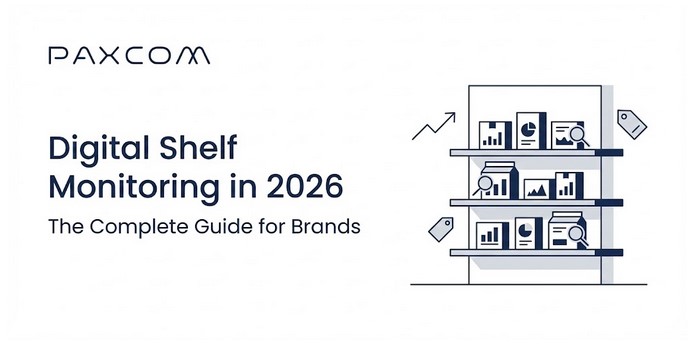
Digital shelf monitoring is the practice of tracking and analyzing how products appear, perform, and compete across online retail channels—covering stock availability, content accuracy, pricing, search visibility, and customer reviews. What is Digital Shelf Monitoring? Digital shelf monitoring is the continuous process of tracking product visibility, content accuracy, pricing, availability, and reviews across eCommerce platforms. …
What is Digital Shelf Monitoring? Guide for Brands Read More »
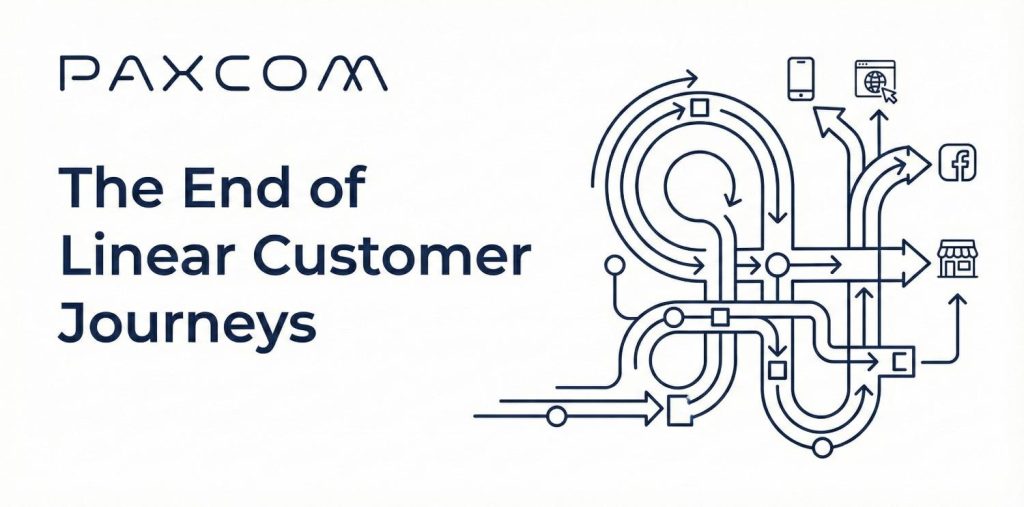
Why Modern Discovery Looks More Like a Pinball Machine Than a Funnel For decades, marketers designed customer journeys as a straight line. Awareness → Consideration → Conversion. It was neat. Predictable. Easy to map in decks. It is also increasingly detached from how decisions are actually made today. Modern discovery doesn’t move forward step by …
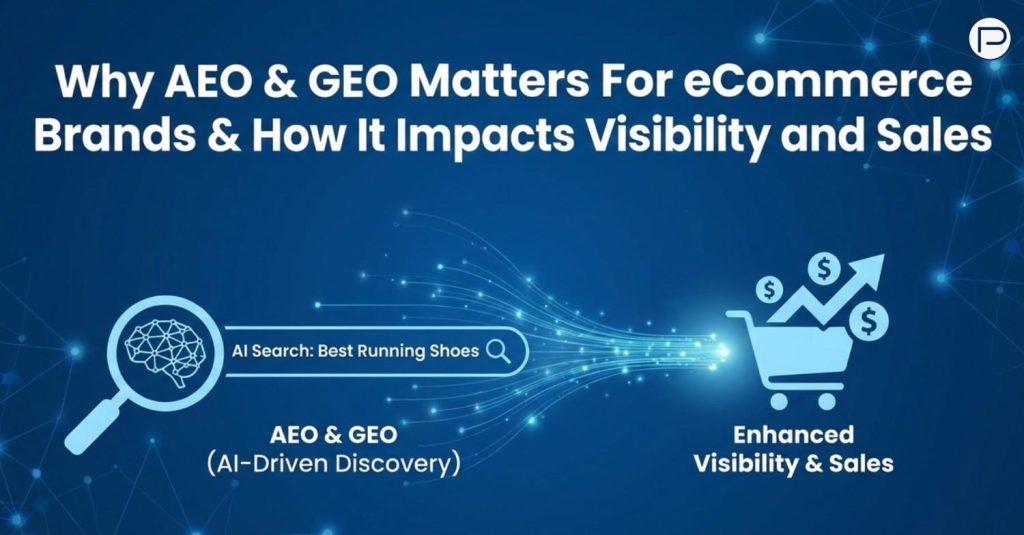
TL;DR: Google is still where users browse and compare; AI search is where decisions are increasingly shaped. While AI-driven traffic remains smaller in absolute volume today, its influence is growing faster than any other discovery layer. ChatGPT crossed 800M+ weekly active users, AI-generated answers now appear in 15–30% of commercial queries (by category), and referral …
Why AEO & GEO Matters For eCommerce Brands & How It Impacts Visibility and Sales Read More »
TL;DR By 2026, AI in eCommerce will move from enablement to execution, becoming the core layer driving personalization, retail media optimization, predictive analytics, and digital shelf intelligence. In 2025 alone, over 77% of commerce professionals used AI daily, accelerating adoption across pricing, inventory planning, content optimization, and campaign management. AI-powered personalization now influences nearly half …
2026 eCommerce and AI Trends: 9 Non-Negotiables for Brands Read More »
TL;DR Amazon Rufus is a conversational shopping assistant that recommends products based on user intent and needs, not keyword matching. It works with Amazon’s backend AI system, Cosmos, which interprets product data using semantic understanding. Sellers must shift from keyword-heavy SEO to context-rich product data, structured backend attributes, and image clarity to remain visible in …
Amazon Rufus AI Explained: How Amazon’s AI Chooses Products (And What Sellers Must Do) Read More »
A MAP policy sets the lowest price your retailers can show in public. They may sell lower in private, but they cannot display a lower price on their website or ad. This keeps your pricing stable and slows down the slide into discount battles. What Is a Minimum Advertised Price (MAP)? A MAP policy is …
What Is a MAP Policy and Why It Matters for Your Brand Read More »